Why K-12 School Controls Are Different
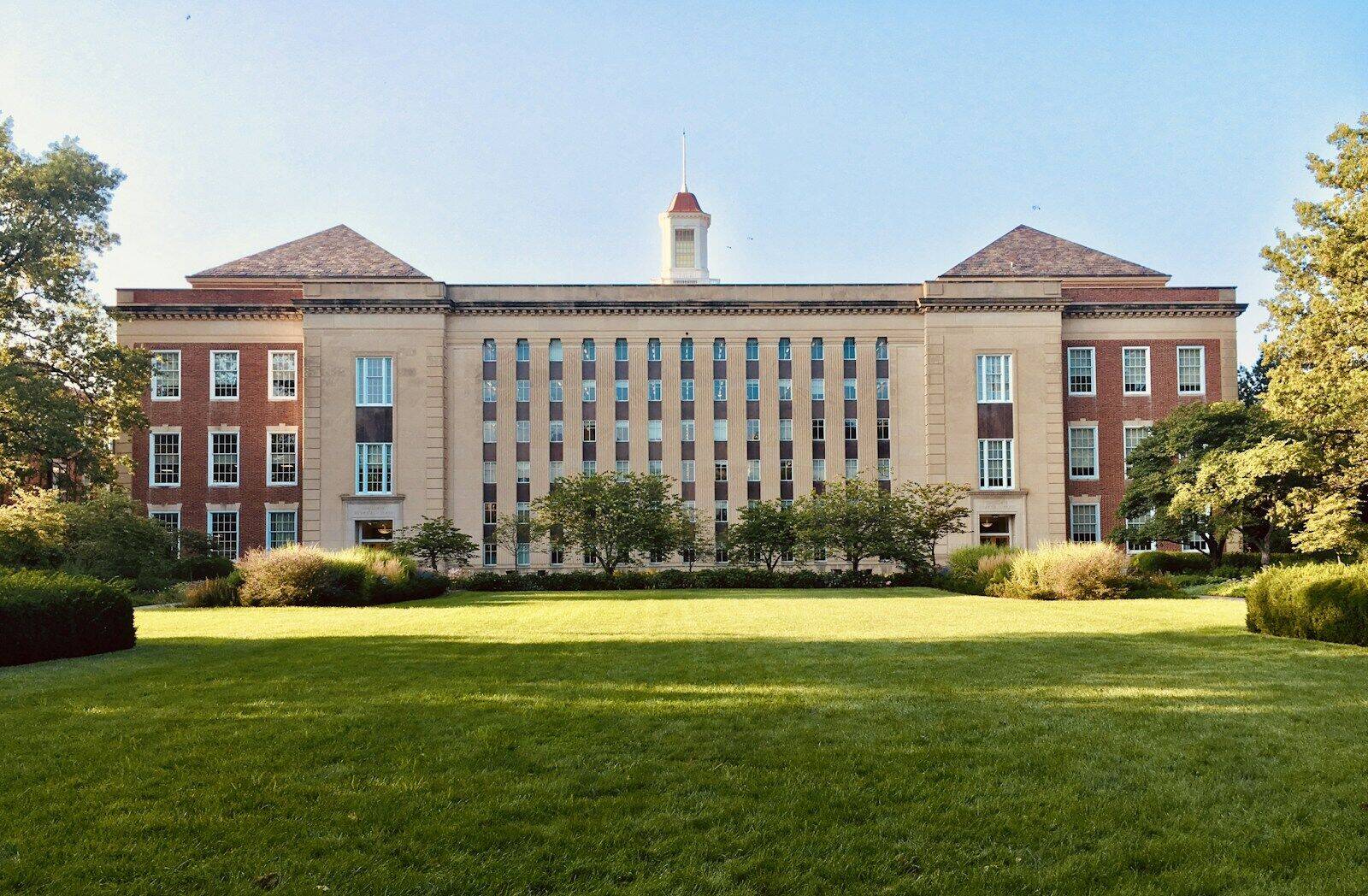
Schools operate under a combination of constraints that makes standard commercial automation approaches inadequate. The funding environment is tight, making ROI and payback period central to any technology decision. The regulatory environment is strict, with New York State imposing specific IAQ monitoring requirements and DOE reporting obligations. And the occupancy pattern is unlike any other building type — fully occupied for nine months, then nearly empty, with daily schedules that vary by day of week and period.
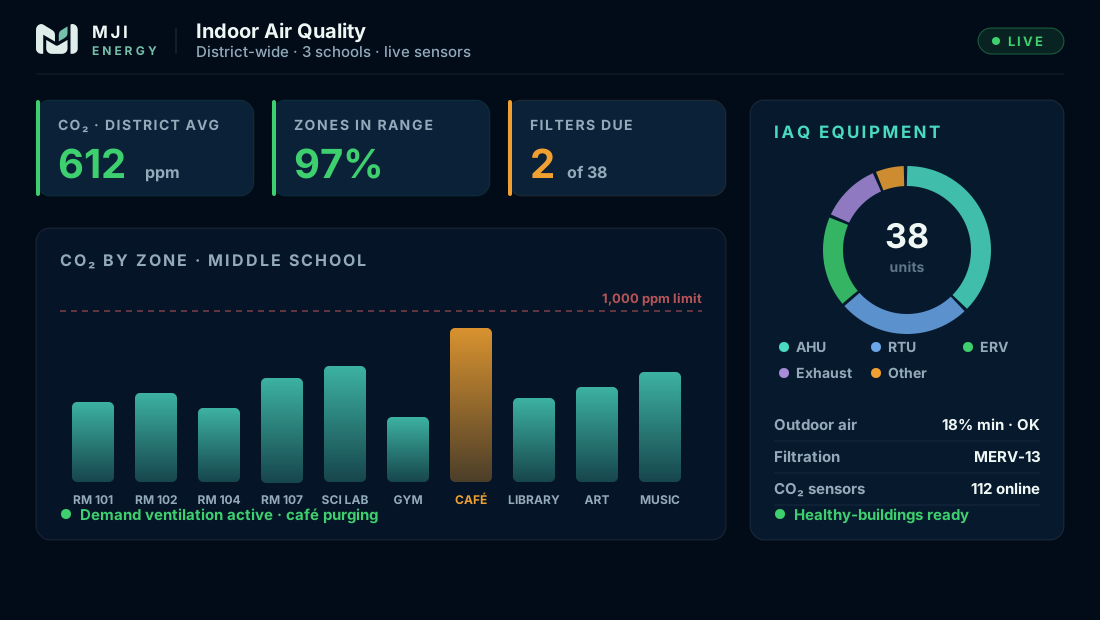
Indoor air quality is a school-specific issue that goes beyond energy efficiency. Research consistently links classroom CO₂ levels to student cognitive performance and attendance. New York State requires schools to maintain and report on IAQ, and districts that have faced complaints or citations for inadequate ventilation understand that this is a liability as much as a comfort issue. A properly programmed BAS with CO₂-based DCV is the most reliable solution — and for schools looking to go further, advanced indoor air quality monitoring can provide real-time visibility into PM2.5, TVOC, humidity, and other parameters shown to affect student health and learning outcomes.
MJI Energy has worked with school facilities teams across the New York metro area. We understand the approval processes, budget cycles, and reporting requirements that govern school capital improvements — and we design systems that deliver measurable energy savings and IAQ documentation without requiring specialized in-house controls expertise to operate.
What It Looks Like
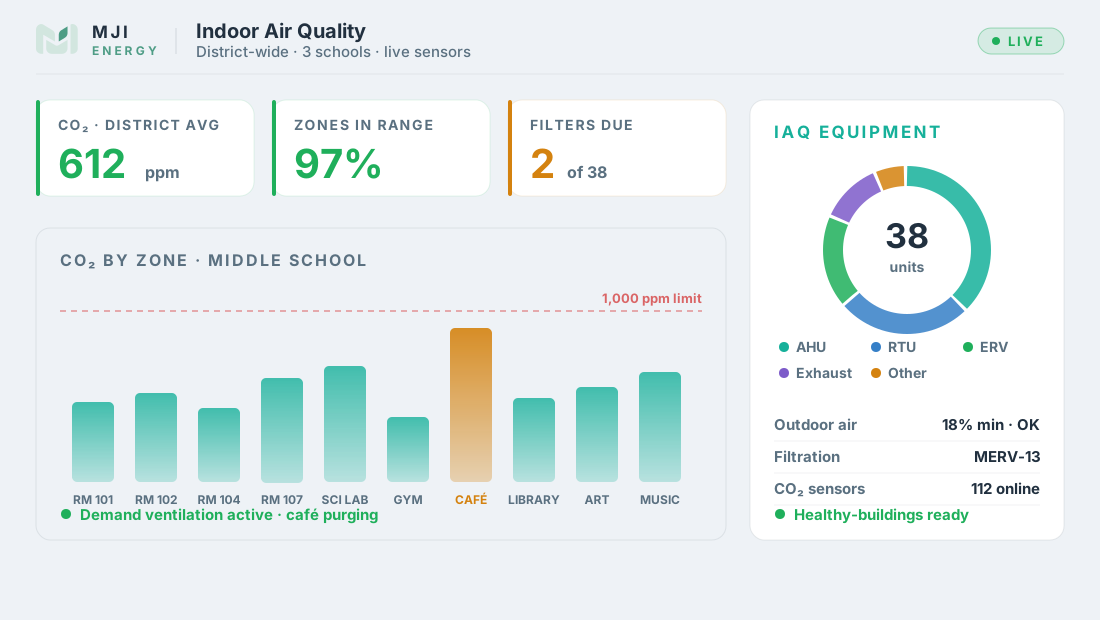
Real-Time IAQ Visibility, Zone by Zone
Key Applications
Classroom IAQ Monitoring and DCV
CO₂-based demand-controlled ventilation that adjusts outdoor air delivery based on actual classroom occupancy — maintaining ASHRAE 62.1 compliance while eliminating the energy waste of over-ventilating empty classrooms.
After-Hours, Weekend, and Summer Setback
Schedule-based HVAC setback for unoccupied periods — including holidays, summer break, and evening hours — with override capability for custodial staff and after-school programs without requiring manual changes at every AHU.
Gymnasium and Cafeteria HVAC Scheduling
Occupancy-based automation for high-volume spaces with variable schedules — managing gym ventilation for athletic programs, cafeteria exhaust for lunch service windows, and auditorium conditioning for events.
Air Quality Reporting for Districts and State
Logged IAQ data that satisfies New York State Department of Education monitoring requirements and supports district reporting obligations — with automated alerts when CO₂ or temperature readings exceed action levels.
Demand Peak Management for Budget-Constrained Facilities
Automated peak shaving sequences that reduce demand charges — the component of utility bills that is often most amenable to automation-based reduction, and that has an outsized impact on school district energy budgets.
Boiler Plant Optimization and Safety Sequencing
Modern DDC-based boiler sequencing for schools with steam or hot water heating systems — including outdoor air reset, lead-lag control, low-water cutoff integration, and remote alarm notification for after-hours events.
Who We Work With
Better air quality and lower energy bills — the right controls deliver both for schools.
Let's talk about your facility, your requirements, and what a purpose-built controls solution looks like for your environment.
Discuss Your Facility →